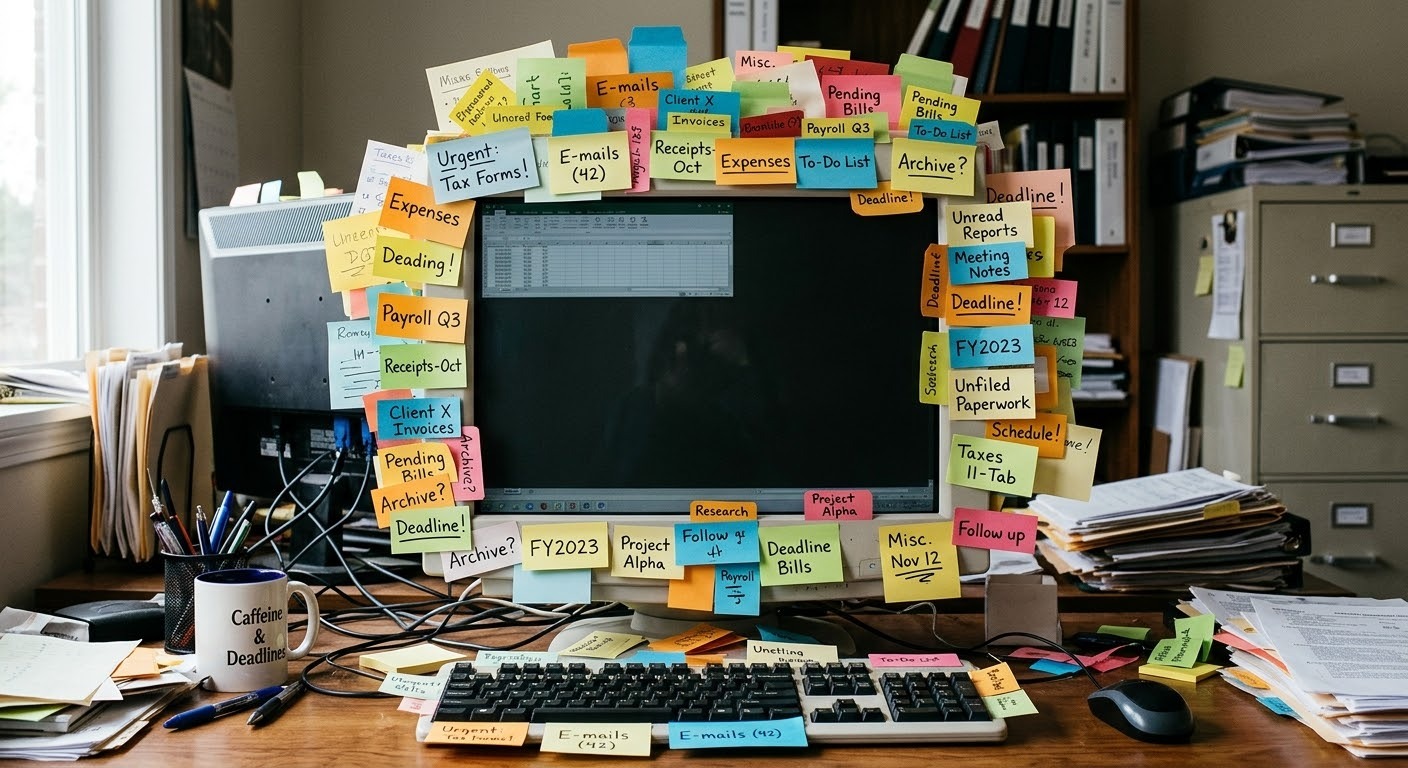
We handed a week's worth of tasks, meetings and vague intentions to an AI assistant and asked it to build the schedule. Not as a demo — as the actual plan we would try to follow.
What it got right
It grouped similar tasks instead of scattering them, left buffer time around meetings that tend to run over, and put the hardest thinking task in the morning without being told to. That is a genuinely useful default most people do not set for themselves.
What it confidently invented
It assumed a client call would take an hour because most calls do — this one was fifteen minutes. It scheduled deep work over a recurring commitment that was not in the list it was given, because it filled a gap with something plausible rather than leaving the gap alone.
What we kept
The grouping and the morning-first rule stayed. Every time estimate got a second look, and anything invented got deleted rather than corrected. The plan was a good draft, not a finished schedule — and treating it as a draft is what made it useful.